


there has to be more than all this noise.
the endless projection into a world that rarely reflects anything real.
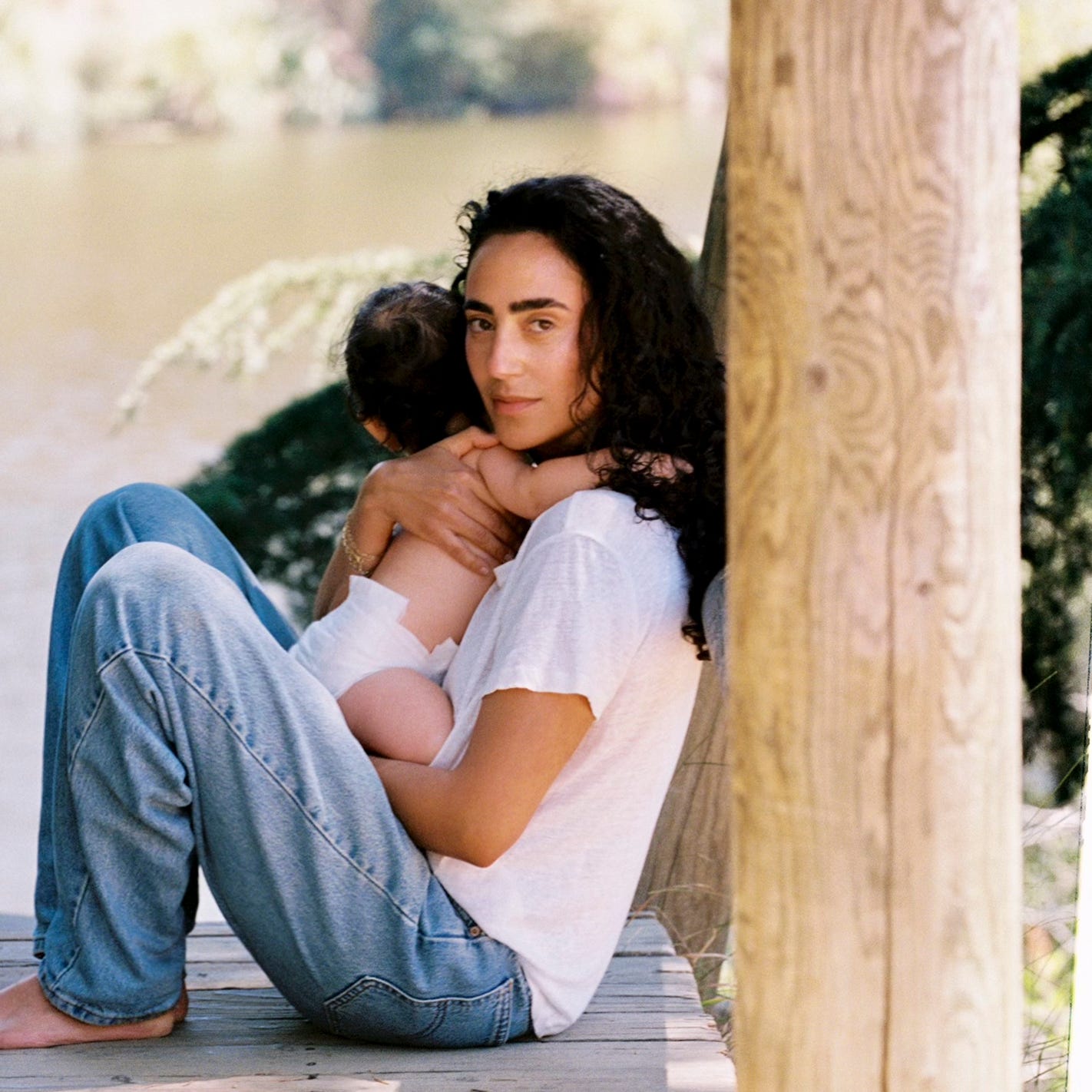
i know what it costs to stay open in this world. i know what it takes to keep feeling, keep listening, keep aching for what’s real.
there’s a particular kind of ache that doesn’t scream — it hums. it’s the ache that shows up at the end of a scroll, when the last thing you read left you empty. it’s the ache in your chest when you’re surrounded by people but still feel like no one sees the real you. it’s the quiet grief of living in a world that’s louder, faster, shinier than your spirit ever wanted to be. you try to stay open. you try to care. but under all the stimulation and strategy, something in you is whispering:
this isn’t it. this can’t be it.
we live in a time where presence has been replaced by performance. where depth has been drowned in algorithmic demand. where everything moves at a pace that leaves no room for tenderness. we’ve been taught how to be visible, but not how to be known. how to market, but not how to mean.
and so even the most tender among us have started to flatten. we’ve become thumbnails. reels. headlines. personas. and the parts of us that are still breathing, still longing for something real, begin to ache.
maybe that ache is telling us something about the distance between the life we are performing and the life we can actually feel ourselves inside.
i’ve been living with this ache for years. sometimes it took the form of creative burnout. sometimes it felt like a kind of spiritual anemia — that sensation of going through the motions while some part of you quietly starves. i didn’t know what i was missing, exactly. only that the world i was supposed to be building my life within felt too noisy for my soul to sing in. i could succeed in it. i just couldn’t feel myself in it.
and when i looked into the eyes of the people i photographed — across hundreds of sessions, across years of intimacy with strangers — i saw it in them, too. the soft ache behind the smile. the flicker of grief beneath the polished surface. even the most radiant, successful, outwardly clear people — when met with real presence — would soften. they would say something like: “i didn’t know i needed this.” “i feel like i can finally breathe.”
and some — the ones with packed calendars, rehearsed angles, perfectly edited timelines — would sit down in front of my lens and whisper, almost ashamed: “i hate this. let’s be quick.” it’s not me they’re afraid of. it’s the performance they’ve grown used to — the endless projection into a world that rarely reflects anything real.
i watch the dread rise in their posture before we even begin, and i think: imagine what they’ve been asked to perform into every day — for their job, their image, their livelihood — for this moment to feel like yet another stage they can’t wait to exit.
but then something shifts. always.
we move slowly. we drop the angles. i hold them, not with direction, but with deep presence. sometimes i wrap early, even when the light is still good — because their nervous system is more important than the frame.
they shake out the pressure, exhale in ways that feel almost holy. and then they say the words that still ring in my chest: “let’s get coffee.” “i need more of this.” like a flip switched. like they remembered something. not about me — about themselves. and that, i think, is the ache for something real.
real becoming rarely feels linear to me. it feels more like a return. a descent into the parts of ourselves that got buried under performance, expectation, survival, ambition, noise — and a slow coming back with something more honest in our hands.
maybe some of this longing is older than us, too. maybe we inherited ways of enduring before we inherited language for asking what we actually wanted. maybe some of us are simply the ones finally noticing the cost of moving through life while disconnected from ourselves.
it isn’t just about truth. it’s about touch. it’s about presence, resonance, ritual, remembering. it’s the ache to be met without performance — and to still be loved.
the stillroom was never part of a master plan.
i didn’t build this because i had something to teach. i built it because i was listening — and i kept hearing the same longing, again and again, behind the eyes of those i met:
please… let something real find me.
something that doesn’t ask me to pretend.
something that doesn’t flatten my tenderness into strategy.
something that doesn’t call my softness weakness.
something that knows what i mean before i have words.
something that doesn’t rush me past myself.
and so i began to imagine: what would it feel like to enter a room — even just a virtual one — and exhale completely? what would it feel like to read something that wasn’t trying to sell you anything? to listen to a voice that didn’t want to be followed, just felt? what would it feel like to be met with presence, not pressure?
that’s the room i wanted to create. not a platform. not a brand. a stillroom. a place to return to, not scroll past. a room for words with weight. for letters that feel like mirrors. for rituals that feel like memory. for stories that help you find your pulse again.
before i ever wrote these letters, i was a listener. before i became a mother, i was a mirror. this gift — if i have one — isn’t my insight. it’s my presence. i’ve always had the ability to feel what others couldn’t name. to sit in a room and sense the unspoken. to hold a space long enough for someone to hear their own truth ripple back toward them.
human design calls my type a Reflector. whether or not you care about the system itself, the word has always made sense to me. i have spent most of my life noticing people, environments, and what changes when someone finally feels safe enough to become visible.
and while i won’t spend much time here teaching systems or tools, i share this because it shaped how this space came to be. this isn’t a place of fixed answers. it’s a space of reflection, rhythm, remembering.
i want the stillroom to feel less like a newsletter and more like a threshold. a moment of return. a breath that doesn’t ask for more than your presence.
so if you’re reading this — wherever you are in your life, whatever version of yourself is showing up today — know this:
you do not have to arrive here with an answer.
you do not have to rush your clarity.
you do not have to make something useful out of every ache before you are allowed to feel it.
this room was made for the sensitive ones. the tired ones. the attuned ones. the not-sure-what’s-next ones. the ones who’ve outgrown old selves and don’t want to optimize their way into a new one.
each week, i’ll be writing to you. some letters will simply be letters. others will continue into integration — a deeper reflection, practice, question, or ritual for those who want to take what we uncover here and bring it into their own lives. you don’t have to read everything. you don’t have to keep up. this space honors your pauses.
some of us are just now learning to land gently after years of performing flight. some are still trying to hear themselves beneath all the noise. some have already begun walking toward lives that feel more like their own.
wherever you are, i hope this room gives you somewhere to return.
somewhere to remember that feeling deeply is still a way of knowing.
somewhere to become audible to yourself again.
stay open.
x
cibelle
i hope this letter found you in the exact moment you needed it. if something stirred, leave me a word in the comments. it tells me who’s in the room with me.
💌 if you want to keep walking with me, experience one of my favorite breaths from the stillroom [here]. i’ll meet you there.
I felt every ounce of these words in my body without my mind trying to dissect them and there is such liberation in that 🤍
Great post! I'm a reflector, too, and feel many similarities as you do. Loved how you weaved in the importance of the nervous system. This is something I've been contemplating a lot recently. Your observations about humanity feeling like we're all performing is spot on. It reminds me of a passage I recently read that touched on our 21st century threat is staying relevant and not being disposed of.